
Asbestos Testing in Worcester, MA: Samples, Labs and Results
AbateSafe Asbestos Co collects and analyzes building material samples so you know exactly what you are dealing with before any demolition, renovation or sale. Our inspectors are Massachusetts-licensed and our samples go to accredited laboratories. Call (508) 205-4880 to schedule an inspection.
Asbestos testing is the collection and laboratory analysis of suspect building materials and air samples to confirm whether asbestos fibers are present and at what concentration. It serves homeowners, landlords, contractors and property buyers throughout Worcester, MA, and is required before most renovation or demolition work.
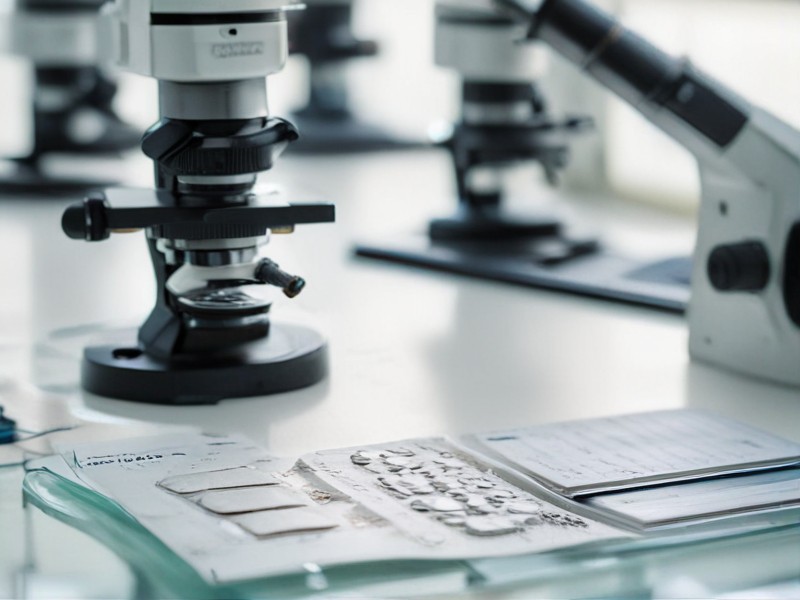
Asbestos testing answers one question: does this material actually contain asbestos? Until a laboratory confirms it, everything else is guesswork. Vinyl floor tile, pipe wrap, popcorn ceilings, window glazing, transite siding, boiler insulation, joint compound and roofing felt all look much the same whether they contain asbestos or not, and materials installed well into the 1980s can test positive.
Testing solves several practical problems at once. It tells a contractor whether a renovation can proceed normally or needs a licensed abatement crew. It gives a homeowner documentation for a real estate transaction. It keeps a landlord compliant with Massachusetts DEP and DLS rules. And when a ceiling has already been disturbed, air sampling tells you whether the occupied space is safe to re-enter.
AbateSafe Asbestos Co performs sampling as a stand-alone service with written laboratory results, so you receive a defensible document rather than an opinion. Our inspectors are trained to take representative samples from each homogeneous material rather than one grab sample that misses a positive layer. We explain what the numbers mean, which materials are regulated, and what your options are if something comes back positive, including leaving intact material undisturbed when that is the correct and least expensive answer.
What Our Asbestos Testing Service Covers
A typical inspection begins with a walkthrough of the areas affected by your project. The inspector identifies homogeneous material groups, meaning materials that appear uniform in color, texture and date of installation. Each group is sampled separately, because a negative result on one material says nothing about the one next to it. A kitchen floor, for example, may involve three separate samples: the top tile, the underlying layer and the black mastic between them.
Sampling is done wet. The inspector mists the material with amended water, cuts or cores a small piece with hand tools, seals it in a labeled zip-top container, and patches the sampling point with encapsulant or tape. Disturbance is minimal, usually a coin-sized spot, and plastic sheeting is placed beneath the work area where appropriate. Chain-of-custody paperwork travels with the samples to the laboratory.
Bulk samples are analyzed by polarized light microscopy with dispersion staining, the EPA reference method. Materials reported above one percent asbestos are regulated. Non-friable organically bound materials such as floor tile and roofing that return negative or trace results under PLM can be escalated to transmission electron microscopy for confirmation when a project demands it.
Air testing uses calibrated pumps drawing a measured volume through a cassette filter, analyzed by phase contrast microscopy for exposure checks or TEM for post-abatement clearance. Clearance sampling is performed inside containment under aggressive conditions using leaf blowers and fans to dislodge settled fibers before the pumps run.
Most residential inspections take sixty to ninety minutes on site. Standard laboratory turnaround is three to five business days, with twenty-four-hour and same-day rush available at additional cost. You receive a written report listing each sample location, the material description, the analytical result, the laboratory data sheets and a plain-language summary of which materials are regulated and what that means for your project schedule.
Benefits of Professional Asbestos Testing
Accredited Laboratory Analysis
Samples go to NVLAP-accredited laboratories using EPA reference methods, not field test kits or visual guesses. The resulting report carries weight with contractors, inspectors, lenders and real estate attorneys, which matters when a closing or a permit depends on documented proof rather than someone's professional opinion.
Independent, No-Pressure Findings
Results are reported exactly as the laboratory returns them. When material tests negative or is intact and better left alone, we say so. Many Worcester properties contain asbestos that poses no risk while undisturbed, and you should hear that before anyone quotes you an abatement price.
Complete Material Coverage
Inspectors sample every homogeneous material your project will disturb, including hidden layers like mastic, backing paper and multiple flooring generations. Partial sampling is the most common reason a renovation stops mid-job, and thorough up-front coverage avoids that delay entirely.
Fast Turnaround Options
Standard results arrive in three to five business days, with rush analysis available in twenty-four hours or same day when a crew is standing by or a closing date is fixed. Scheduling is coordinated so sampling and lab submission happen the same day whenever possible.
Clearance Testing Expertise
Post-abatement air clearance is performed under aggressive sampling conditions with calibrated pumps and documented flow rates. Proper clearance is what allows occupants to legally and safely return to a space, and sloppy clearance sampling can invalidate an otherwise correct abatement job.
Clear Regulatory Guidance
Reports explain which findings trigger Massachusetts DEP notification, which materials require licensed abatement and which can be managed in place. You get the regulatory context alongside the numbers, so you know your actual obligations rather than having to interpret lab data alone.
Minimal Property Disturbance
Wet sampling methods, hand tools and immediate patching keep damage to a coin-sized spot per sample. Work areas are sheeted where needed and cleaned before we leave, so testing never becomes the event that releases fibers into the space you were trying to protect.
How Our Asbestos Testing Process Works
Phone Consultation and Scheduling
Call (508) 205-4880 and describe the property age, the materials involved and the project driving the test. We estimate the likely sample count and quote a price before the visit, then schedule an inspection window that fits your renovation or closing timeline.
On-Site Survey
The inspector walks the affected areas, identifies suspect materials and groups them by homogeneous area. Where the scope involves demolition, concealed spaces behind walls, above ceilings and inside chases are examined so nothing regulated is missed once the work begins.
Sample Collection
Each material group is wet-misted, sampled with hand tools and sealed in a labeled container. Sampling points are patched with encapsulant. Locations are photographed and logged on a chain-of-custody form that accompanies the samples to the laboratory.
Laboratory Analysis
Bulk samples are analyzed by polarized light microscopy with dispersion staining; air cassettes are analyzed by PCM or TEM depending on purpose. Rush turnaround is flagged at submission when your schedule requires results within twenty-four hours.
Written Report Delivery
You receive a report with sample locations, material descriptions, percentage results, laboratory data sheets and a summary identifying regulated materials. Reports are emailed as PDF and are suitable for submission to contractors, permit offices and property transaction files.
Results Review and Next Steps
We walk you through the findings by phone, explain what each positive result means for your project, and outline options ranging from leaving material in place to scheduling licensed abatement. Post-abatement air clearance is scheduled separately when removal work is performed.
Frequently Asked Questions
Common questions about asbestos testing
Residential bulk sampling typically runs a flat inspection fee plus a per-sample laboratory charge, with most single-material jobs such as one floor or one ceiling falling in the low hundreds of dollars. Sample count is the main cost driver. We quote a firm price by phone once you describe the materials and project scope.
Standard polarized light microscopy results return in three to five business days from the date samples reach the laboratory. Twenty-four-hour and same-day rush analysis is available for an added fee when a contractor is scheduled or a closing date is fixed. TEM confirmation analysis adds one to two additional days.
Self-sampling is legally possible for owner-occupied homes in Massachusetts but carries real risk, because cutting into asbestos material dry releases fibers into the living space. Self-collected results are also frequently rejected by contractors, lenders and permit offices that require documented chain of custody from a licensed inspector.
Containment is generally unnecessary for bulk sampling, since wet methods and a coin-sized cut release negligible fiber. Plastic sheeting is laid beneath the sampling point and the spot is sealed afterward. Full containment with negative air applies to abatement work, not to inspection and sampling visits.
Air clearance testing measures fiber concentration inside a containment area after abatement to confirm the space can be reoccupied. Massachusetts requires clearance for licensed abatement projects. Samples are collected under aggressive conditions with fans running, and the area stays sealed until the laboratory reports results below the regulatory threshold.
Testing itself requires no state notification. Positive results that lead to abatement trigger Massachusetts DEP ANF-001 notification and DLS filing, generally ten working days before work begins, handled by the licensed abatement contractor. Our report provides the material descriptions and quantities those forms require.
Occupants can remain in the property during bulk sampling, though we ask that people and pets stay out of the immediate sampling room for the few minutes each sample takes. Air clearance sampling is different and occurs inside a sealed containment area that no one occupies until results clear.
Laboratories retain bulk samples for a set archive period, commonly thirty days to one year, then dispose of them as regulated waste under their own licenses. Nothing returns to your property. Disposal of actual asbestos-containing building materials is a separate abatement step handled at a licensed Massachusetts disposal facility.
Service Areas
We proudly serve these locations
Need Asbestos Testing in Worcester, MA?
Ask about sampling, containment and timelines for your property.
Call (508) 205-4880